
How Occupational Therapists and Speech Pathologists Support Transitions and Regulation
Helping Kids Feel Calm, Ready and Connected During Routines & Big Changes
Changes in routine happen all year—school holidays, new terms, new teachers, new classrooms, or even a new school. For many children, these changes can feel exciting and overwhelming.
The good news: simple tools like calendars, visuals, routines, play and connection can make a huge difference in helping your child feel safe, confident and ready.
This guide, written by a Speech Pathologist, with insight from our great Occupational Therapists in our Alderley, Brisbane clinic brings together easy strategies for families to use at home.
Why Change Feels Big for Kids
Children rely on routine. Routine helps them know:
- What is happening
- Who they will see
- Where they will be
- What is expected of them
When routine changes—like during holidays or at the end of the school year—children lose that structure. This can lead to:
- Worry or uncertainty
- Emotional outbursts
- Tiredness or clinginess
- Trouble following instructions
- Difficulty separating from caregivers
Supporting children with clear tools can help them feel steady and understood.
1. Use a Visual Calendar to Show What’s Coming
A calendar is one of the most powerful tools to support children.
Why calendars help
- Children can see the plan instead of trying to remember it
- It gives a sense of control and predictability
- Reduces anxiety
- Helps children understand time
- Builds independence
Ways to use a calendar
- Mark special events (swimming day, grandma’s house, first day back at school)
- Show school holiday plans
- Add pictures, colours or simple words
- Cross off each day so your child sees time passing
- Let your child help update it
Calendars are especially helpful for neurodivergent children or gestalt language processors who benefit from strong visual systems and clear language.
2. Support Your Child Through School Holiday Routine Changes
School holidays often mean big shifts in structure. Days may feel longer, busier or more unplanned.
Simple tips that help
- Create a holiday routine with regular wake-up times, meal times and “quiet time”
- Use a holiday calendar so your child knows what’s happening each day
- Offer choices (“Do you want playground time before or after lunch?”)
- Pack a ‘just-in-case’ kit for outings (snacks, headphones, comfort items)
- Talk about what the day will look like, step-by-step
- Use first–then language (“First lunch, then swimming”)
- Practice calming strategies before your child gets overwhelmed
Calming ideas to teach ahead of time
- Deep belly breaths
- Sensory input (hugs, pressure, squeezing a soft toy)
- Slow walking, sitting in a quiet space
- Naming feelings: “It looks like you feel unsure about today. I’m here with you.”
3. Help Your Child Prepare for Big Changes in Term 4
Term 4 is a time of preparation. Children begin thinking about:
- A new classroom
- A new year level
- A new teacher
- New friends
- Sometimes a new school
These changes can feel huge. Preparing early will help your child feel safe, excited and confident.
Practical ideas for Term 4
- Use role-play with dolls or figures to act out “next year”
- Visit or look at photos of the new school or classroom
- Read school-themed books about moving up a grade
- Talk about feelings (“What are you excited about? What feels tricky?”)
- Build simple rituals, like:
- A countdown on the calendar
- Packing a pretend school bag
- Practicing the morning routine
- Make space for goodbyes to teachers and routines from this year
Every child handles change differently—some need time to explore the new space, others need time to say goodbye to the old one.
4. Use Play, Routines and Connection to Build Confidence
Children learn and process big ideas through play.
Try these playful ways to prepare:
- Pack and unpack a pretend school bag
- Practice “walking to class” with step stones at home
- Act out greeting a new teacher
- Use drawing to explore “next year”
- Play “first–then” games (“First puzzle, then snack”)
Daily routines build confidence too:
- Morning routine chart
- Bedtime routine chart
- Getting-ready checklist
- To-do / done board
- Visual steps for packing school bags or lunch
These routines practise planning, organisation and independence in a calm way.
5. What to Do When Things Feel Hard
Even with preparation, emotions can still feel big.
That’s okay.
You can help by:
- Staying close and calm
- Naming the feeling (“You’re unsure about the new classroom”)
- Keeping language simple and predictable
- Offering choices
- Giving time and space to process
- Returning to the visual plan
Children settle best when they feel connected and supported.
Quick Checklist for Parents & Carers
During school holidays and term transitions:
- Make a simple visual calendar
- Talk about upcoming changes
- Use first–then language
- Practice calming strategies
- Use play to explore new routines
- Visit or look at photos of new places
- Ask open-ended questions
- Use a sensory kit for outings
- Build predictable daily routines
- Support goodbyes and new beginnings
Change doesn’t have to feel scary. With calendars, visual supports, routines and connection, children learn to understand what’s coming and feel safe in the process.
Families feel calmer.
Children feel confident.
And big changes suddenly feel a little smaller.
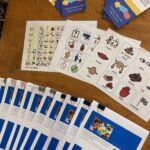

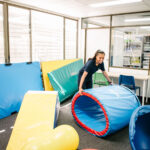

If you’d like printable visuals (calendars, routines, checklists), or support preparing your child for 2026 transitions, Cooee can help. Cooee Speech Pathology and Occupational Therapy is located in Alderley, Brisbane North. We provide interventions for children including group programs, holiday intensives and parent information.
Written by Speech Pathologist, Elizabeth Hall. November, 2025