Milestones & More: What Typical Development Really Looks Like
When parents hear the word “milestones”, it often brings up one big question:
“Is my child on track?”
At Cooee, we want to gently reframe that.
Because development isn’t a straight line — and it’s not the same for every child.
What are developmental milestones (really)?
Developmental milestones are guides, not rules.
They describe the typical range of skills children might develop over time — across areas like:
- Communication and speech
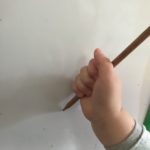
- Fine motor skills (hands and fingers)
- Social and emotional development
- Thinking, learning, and self-organisation
You can explore more about these in our blogs on:
Development doesn’t look the same for every child
Here’s the part that matters most:
Different doesn’t mean delayed.
Children may develop differently because of:
- Neurodivergence (e.g. autism, ADHD, language differences)
- Developmental
- Individual strengths and interests
- Environmental experiences and opportunities
- Cultural and family contexts
Some children may:
- Talk later but communicate in other rich ways
- Move more and learn through their bodies
- Take longer to organise tasks or regulate emotions
- Develop skills in a different order
You might notice this in areas like:
So when should I be concerned?
Rather than asking “Are they behind?”, a more helpful question is:
“Is my child able to participate in everyday life in the way they want or need to?”
We look at:
- Can they communicate their needs?
- Can they engage with others in ways that feel meaningful?
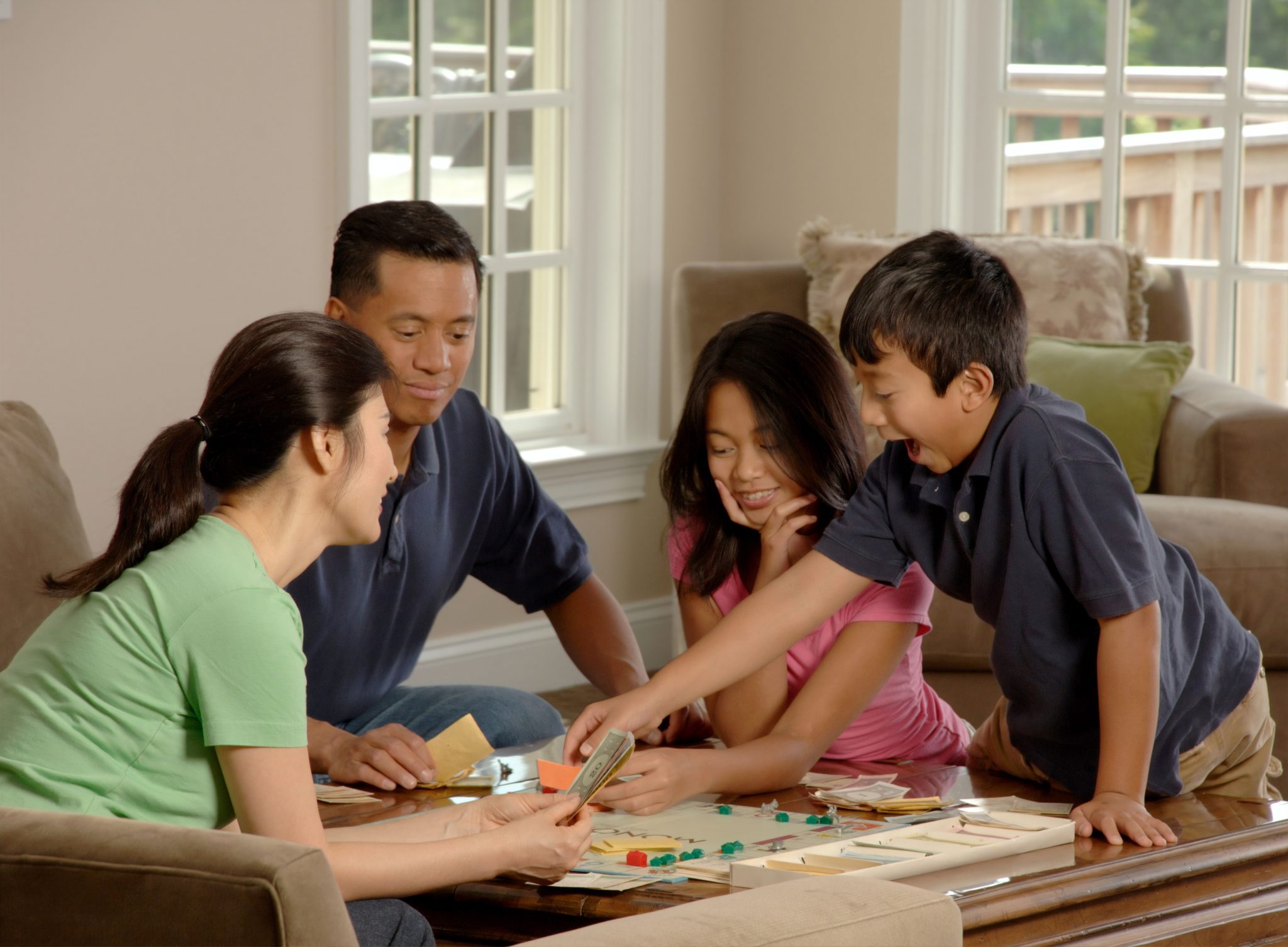
- Can they participate in play, learning, and daily routines?
- Are they feeling confident and supported?
If the answer is “not yet” that’s where support can help.
Where Speech Pathology and Occupational Therapy come in
At Cooee, we don’t just look at milestones.
We look at the whole child.
Our Speech Pathologists and Occupational Therapists:
- Work with your child’s unique profile (strengths, needs, interests)
- Set clear, meaningful goals with families
- Use evidence-based practice (aligned with Speech Pathology Australia, ASHA, and Occupational Therapy Australia)
- Focus on real-life outcomes not just test scores
This might look like:
- Supporting communication in everyday routines
- Building fine motor skills through play
- Developing emotional regulation and social connection
- Helping children feel successful at kindy, school, and home
Because ultimately:
It’s not about ticking off milestones — it’s about helping your child thrive.
Our approach: Neurodiversity-affirming and family-centred
We celebrate that:
- Every child develops differently
- There is no “one right way” to communicate, play, or learn
- Families are the most important part of the therapy journey
We work alongside you to:
- Understand your child’s development
- Support participation in meaningful ways
- Build confidence — for both your child and you
Want to learn more?
Here are some trusted resources on child development:
- Speech Pathology Australia
https://www.speechpathologyaustralia.org.au - American Speech-Language-Hearing Association (ASHA)
https://www.asha.org - Occupational Therapy Australia
https://otaus.com.au - Raising Children Network (Australia)
https://raisingchildren.net.au
Not sure where to start? We can help.
If you’re wondering about your child’s development — even if you’re “just not sure” — that’s enough.
Our Client Journey Planning session is designed to:
- Understand your child’s unique development
- Answer your questions
- Map out the next steps (if needed)
📩 Reach out to our team or book online to get started.
Cooee Speech Pathology & Occupational Therapy – Supporting children to grow, connect, and thrive.



Head to our Youtube Page for educational and informational Videos on Development. In the below video, Speech Pathologist, Robbie and Occupational Therapist, Jaime talk about how you can books skills through play at home: