From Gestures to Sentences: Supporting Language Growth at Home and School
From Gestures to Sentences: Supporting Language Growth at Home and School
Speech Pathology Support for Children in Brisbane | Cooee Speech Pathology & OT
Language development doesn’t start with words—it starts with connection, engagement, and shared experiences.
At Cooee Speech Pathology & Occupational Therapy, we support families across Brisbane to understand how communication develops from early gestures through to complex sentences, storytelling, and school success.
This guide brings together evidence-based insights and practical strategies to help you support your child’s communication—at home, in the community, and at school.
Communication Starts Before Words
Before children say their first words, they are already communicating.
Skills like:
- Eye contact
- Turn-taking
- Pointing and gestures
- Shared attention
…are all critical building blocks for language.
Learn more about these early foundations in our blog:
What Does Communication Look Like Before First Words?
These early interaction skills are strongly linked to later language development. Without them, learning words and sentences becomes much harder.
Engagement is the Key to Language Growth
Children learn language through meaningful interactions—not drills or flashcards.
When your child is:
- Interested
- Regulated
- Connected to you
…their brain is ready to learn.
Explore this further here:
The Link Between Engagement and Language Development
At Cooee, we prioritise connection before correction—because strong relationships drive strong communication outcomes.
Understanding Language Difficulties Early
Some children experience challenges learning language, even with good exposure.
This may be related to Developmental Language Disorder (DLD)—a common but often misunderstood condition.
Learn more:
Developmental Language Disorder Awareness
Early identification and support can significantly improve outcomes for children across:
- Learning
- Social connection
- Emotional wellbeing
How to Support Language at Home
The best part? You don’t need extra time or special resources.
Language grows through everyday routines like:
- Mealtimes
- Play
- Getting ready
- Reading books
Start here:
Developing Language at Home
Simple strategies we recommend:
- Model language (don’t demand it)
- Follow your child’s lead
- Expand on what they say
- Repeat and reinforce
Supporting Multilingual Children
If your family speaks more than one language—you are giving your child a powerful advantage.
Children can successfully develop multiple languages with the right support.
Read more:
Multilingual Communication Development
Supporting English Skills in Multilingual Families
At Cooee, we take a strengths-based, culturally responsive approach—supporting all languages in a child’s world.
Language for School Success
As children grow, language becomes the foundation for:
- Learning to read
- Writing sentences
- Understanding instructions
- Participating in the classroom
Learn more:
Language Skills for School Readiness
Children don’t just need words—they need to:
- Understand complex language
- Organise ideas
- Tell stories
- Explain their thinking
From Talking to Reading and Writing
Language and literacy are deeply connected.
If your child is finding reading or comprehension tricky, it may not just be “reading”—it could be underlying language skills.
Explore here:
When Reading Becomes Tricky in Upper Primary
Why Storytelling Matters
Being able to tell a story (narrative skills) is essential for:
- Conversations
- Writing
- Academic success
Learn more:
Why Narrative Retells Are Important
At Cooee, we explicitly teach storytelling using evidence-based frameworks to support both oral and written language.
What This Means for Your Child
Language development is a journey, not a checklist.
Every child develops differently—but when we support:
- Engagement
- Early interaction
- Everyday communication
- Structured language learning
…we set children up for long-term success.
How Cooee Can Support You
At Cooee Speech Pathology & Occupational Therapy, we:
- Use evidence-based frameworks (ICF, E4BP, neurodiversity-affirming practice)
- Tailor therapy to each child’s strengths and needs
- Work closely with families, educators, and support teams
- Focus on real-life outcomes—not just test scores
Ready to Support Your Child’s Communication?
If you’re wondering:
- “Is my child on track?”
- “How can I help at home?”
- “Do we need support?”
We’re here to help.
Book a Client Journey Planning (CJP) session to:
- Understand your child’s strengths and needs
- Get clear, personalised recommendations
- Build a plan that works for your family
Serving families across Brisbane North (Alderley and surrounding areas) and telehealth services
Learn more: https://www.cooeespeech.com.au
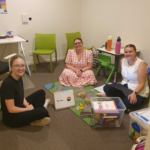
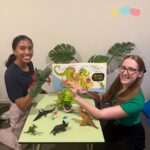






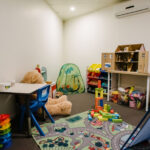




This blog was collated by Speech Pathologist, Elizabeth Hall from blogs previously written by the Cooee Team of Speech Pathologists and Occupational Therapists in April, 2026.
Watch our Speech Pathologist Tess talk about language development in the first 5 years:
In this video, Speech Pathologist and Cooee Director, Marion, talks about the transition from learning language to learning literacy: